Neuro-Entrainment vs. Meditation: Which is More Effective for Anxiety Relief?
2 min read

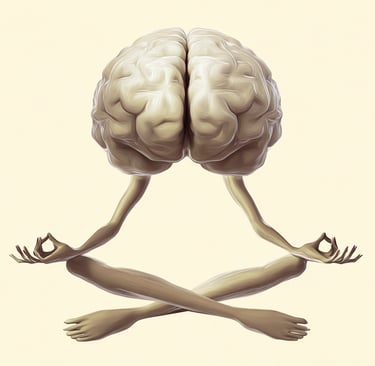
Understanding Neuro-Entrainment and Meditation
As the quest for effective anxiety relief methods continues, neuro-entrainment and meditation have gained significant attention. Both techniques aim to alter mental states, yet they do so in fundamentally different ways. Neuro-entrainment utilizes sound frequencies to synchronize brainwave patterns, while meditation involves focused mindset and relaxation techniques to achieve a similar goal. The question remains: which method truly excels in alleviating anxiety?
Effectiveness of Neuro-Entrainment
Neuro-entrainment has been studied widely within the realm of sound therapy. The premise is grounded in the idea that specific brainwave frequencies can influence emotional and mental states. Research indicates that frequencies such as binaural beats and isochronic tones can promote calming sensations and reduce anxiety. These auditory stimuli help individuals reach a relaxed state quickly and efficiently. For those seeking immediate relief, neuro-entrainment offers a powerful tool, complementing or even replacing traditional meditation practices for some.
The Role of Meditation in Anxiety Management
Meditation has long been regarded as a conventional approach to managing anxiety. Techniques such as mindfulness, loving-kindness, and transcendental meditation foster emotional regulation and resilience. By focusing on the present moment and observing thoughts without judgment, individuals can cultivate self-awareness and reduce the grip anxiety has on their lives. While it may take longer for meditation to induce significant changes in anxiety levels compared to neuro-entrainment, its benefits extend beyond immediate relief and contribute to long-term mental wellness.
Which Frequencies Are Most Effective?
When examining the effectiveness of neuro-entrainment for anxiety relief, specific frequencies emerge as particularly impactful. Delta (0.5-4 Hz) and theta (4-8 Hz) frequencies are commonly associated with deep relaxation and meditation states, thus promoting a sense of calmness. Alpha waves (8-12 Hz) are also noteworthy; these frequencies are linked to a relaxed, alert state conducive to stress reduction. For those struggling with anxiety, incorporating sessions with these frequencies can enhance overall engagement in both neuro-entrainment and meditation practices.
Integrative Approaches to Managing Anxiety
While neuro-entrainment and meditation each hold their benefits, an integrative approach may provide the best outcome for anxiety management. Combining both methods allows individuals to take advantage of the immediate effects of sound therapy while reaping the long-term psychological benefits of meditation. This holistic perspective encourages flexibility in adopting anxiety-relief strategies tailored to personal preferences and situations.
Conclusion: Choosing the Right Method for You
Ultimately, the best method for anxiety relief will depend on individual needs and preferences. While neuro-entrainment offers rapid, frequency-based solutions, meditation promotes enduring emotional stability. Whether one method or the other leads the way, finding a balance between these approaches can magnify their effects and enhance overall mental wellbeing.