Harnessing the Power of Stories and Imagery for Enhanced Memory Retention
1 min read
The Art of Storytelling in Memory Encoding
In an era inundated with information, the ability to retain and recall facts is more critical than ever. One of the most effective methods for enhancing memory is through the art of storytelling. Stories engage the brain’s emotional and cognitive faculties, helping individuals encode information more effectively. By weaving facts into narratives, we transform mundane data into vivid scenarios that leave lasting impressions.
Visual Imagery: A Gateway to Better Recall
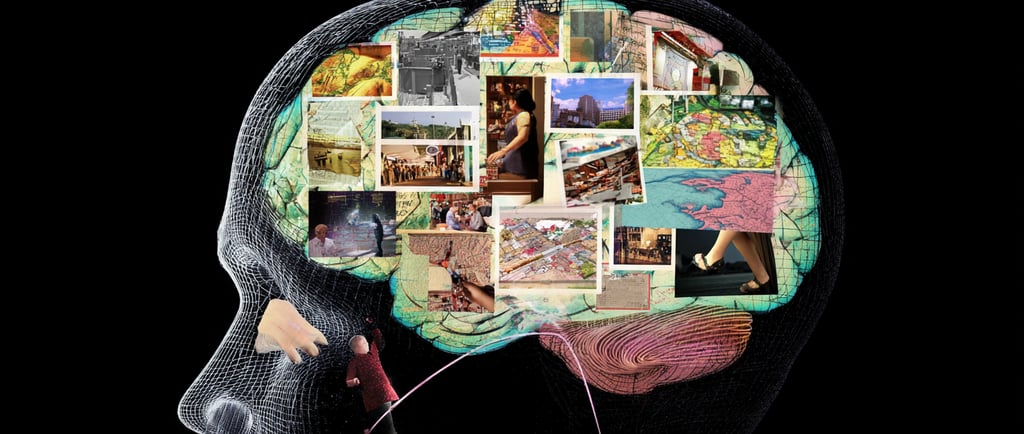
Incorporating imagery into learning further boosts memory retention. The human brain is designed to remember visuals more easily than text. Utilizing imagery to illustrate facts creates mental pictures that are easier to recall than abstract notions. For example, if one were to memorize a list of fruits, visualizing an orchard filled with apples, oranges, and bananas enhances retention. When faced with recalling these items, the associated images will trigger the memory.
Combining Stories and Imagery for Optimal Memory
The true power lies in combining storytelling with visual imagery. This synergy creates a rich narrative landscape where facts are not merely presented but instead experienced. Consider a historical event: by narrating the story of a particular battle, complete with descriptive imagery of the landscape and the emotions of the soldiers, learners become participants in the event. Such immersive experiences tap into both the left and right hemispheres of the brain, strengthening the encoding of facts within memorable contexts.
Moreover, integrating stories and imagery allows for personalization. When individuals tailor narratives to their own experiences or interests, engagement levels rise significantly. Personal connections to the material create a mental framework that makes recall effortless. This technique is particularly useful in educational settings, where complex information can overwhelm students if not presented appealingly.
As we continue to explore memory enhancement strategies, utilizing stories and imagery emerges as a compelling technique for encoding facts. By recognizing the profound impact these elements have on memory retention, individuals and educators can craft more effective learning experiences. As a result, facts become not just knowledge to be memorized, but stories waiting to be told, making the process of learning both enjoyable and effective.